WFP Halts Bread Subsidies as Aid Cuts Bite
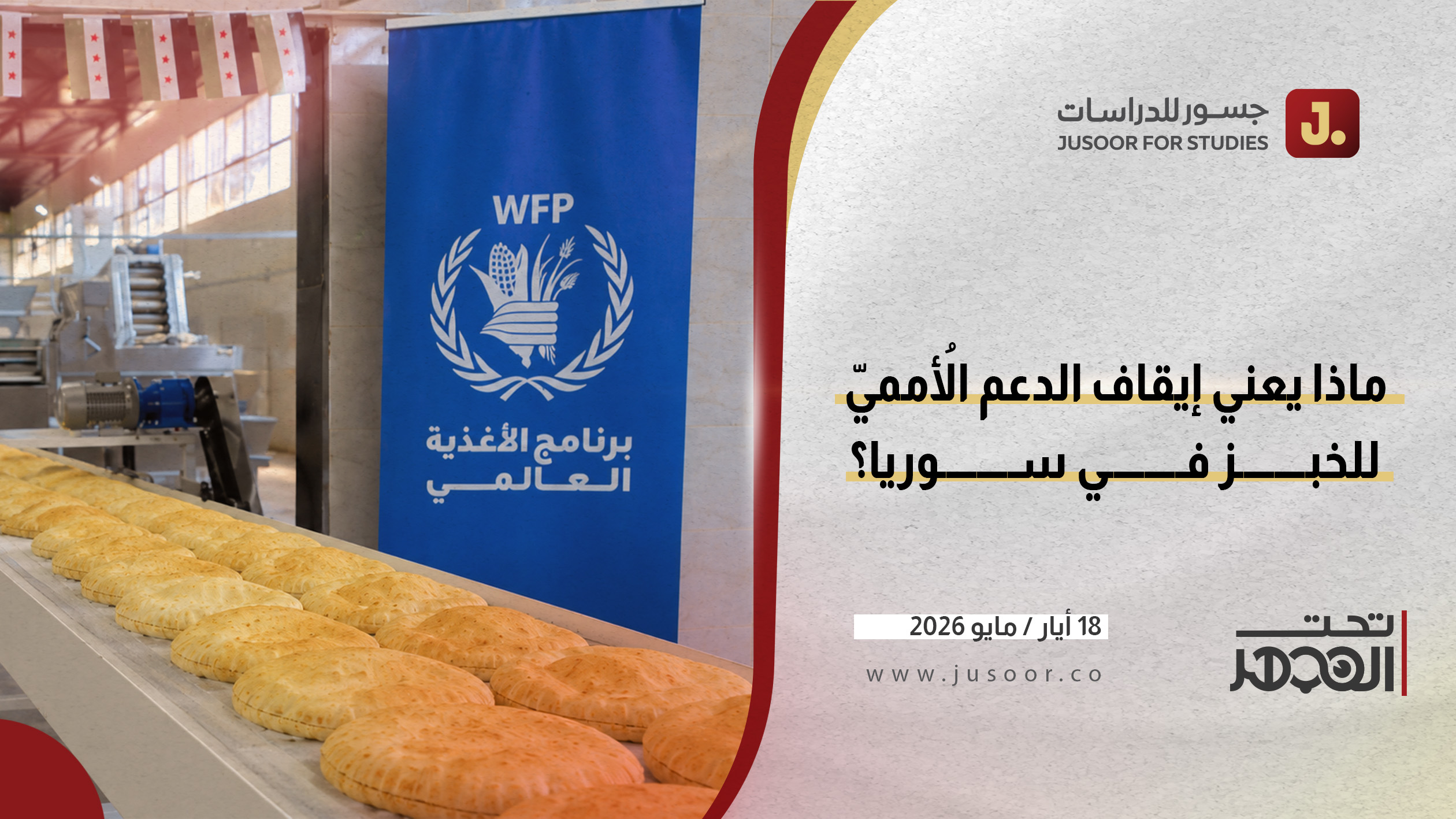
On May 13, the UN’s World Food Programme (WFP) suspended its bread subsidy program across Syria, the latest such cut as aid agencies worldwide face a deepening funding crisis. The move could have far-reaching social and economic repercussions for millions of Syrians who rely on food aid to meet their basic needs.
The WFP says some 7.2 million people in Syria are suffering from acute food insecurity, including 1.6 million facing “severe conditions.” Many families are struggling to secure daily food, forcing them to reduce their meals or rely on lower-quality foodstuffs. For a large segment of the Syrian population, bread is the last line of defense against hunger, in a time of rising food prices and collapsing purchasing power.
The end of WFP bread subsidies will add to the hardships of impoverished and displaced families, particularly in camps and economically fragile areas of northern Syria, where food aid has become a crucial foundation of community stability. The reduction in subsidies is expected to lead to higher prices for bread and basic commodities, increased reliance on debt and community assistance, more child labor and begging, and a decline in people’s ability to meet their basic needs.
Economically, the impact of this decision will not be limited to those who had previously been direct beneficiaries of the subsidies. For a start, it will also affect various businesses linked to bread and food aid production and distribution chains, including bakeries, transportation, and local markets. This will result in further job losses, in an economy already suffering from high unemployment and weak economic output. Furthermore, worsening food security could exacerbate social tensions, especially in the poorest areas, impacting local stability and security.
The broader aid funding shortfall is also impacting Syrian refugees in neighboring countries, as the cost of living rises and job opportunities dwindle alongside aid. This is exacerbating the already precarious humanitarian situation for Syrians both inside and outside the country, weakening the capacity of local communities to absorb ongoing waves of return and displacement.
In its annual report to its Executive Board in early 2026, WFP said it urgently needed some $205 million by May in order to maintain its operations in Syria. It warned that failure to secure the funding would lead to disruptions in food supply chains and cuts to humanitarian programs. The agency had expanded its subsidized bread distribution program in partnership with the Ministry of Economy and Industry until March 2026, with significant support from the U.S.
WFP has been one of the most prominent humanitarian actors in Syria since 2011, playing a pivotal role in mitigating famine and ensuring a basic level of food security for millions of Syrians who had lost their incomes and livelihoods during the war. As the country’s economic catastrophe deepened, the value of the Syrian pound plummeted and displacement intensified, meaning food aid gradually transformed from a temporary emergency response into a vital lifeline for millions of families.
WFP relies almost entirely on voluntary donations from governments—first and foremost the U.S., followed by the European Union, Germany, Sweden, Canada, and the UK. However, humanitarian budgets have been hit hard by successive international crises since 2020: the coronavirus pandemic, followed by the Russian-Ukrainian war and disruptions to global supply chains, and culminating in a global energy crisis and the resulting strain on donor countries’ budgets.
The latest cuts did not come out of the blue. WFP had begun gradually decreasing food rations since 2021, and in June 2023 it announced a reduction in its assistance to millions of Syrians due to funding shortfalls. Over the course of the war, it had reached more than 5.5 million beneficiaries monthly inside Syria through food baskets, cash assistance, and bread subsidies.
All this said, the suspension of UN bread subsidies in Syria is a crisis that reveals that the country has moved from a situation of wartime emergency to a more fragile phase focused on securing the bare minimum for daily survival. After a decade and a half of conflict, food security has become a fundamental factor in social and economic stability in Syria, even as international organizations increasingly struggle to meet growing humanitarian needs worldwide.