
The EU’s New Roadmap for Engagement with Syrian Civil Society
A new reality demands new priorities
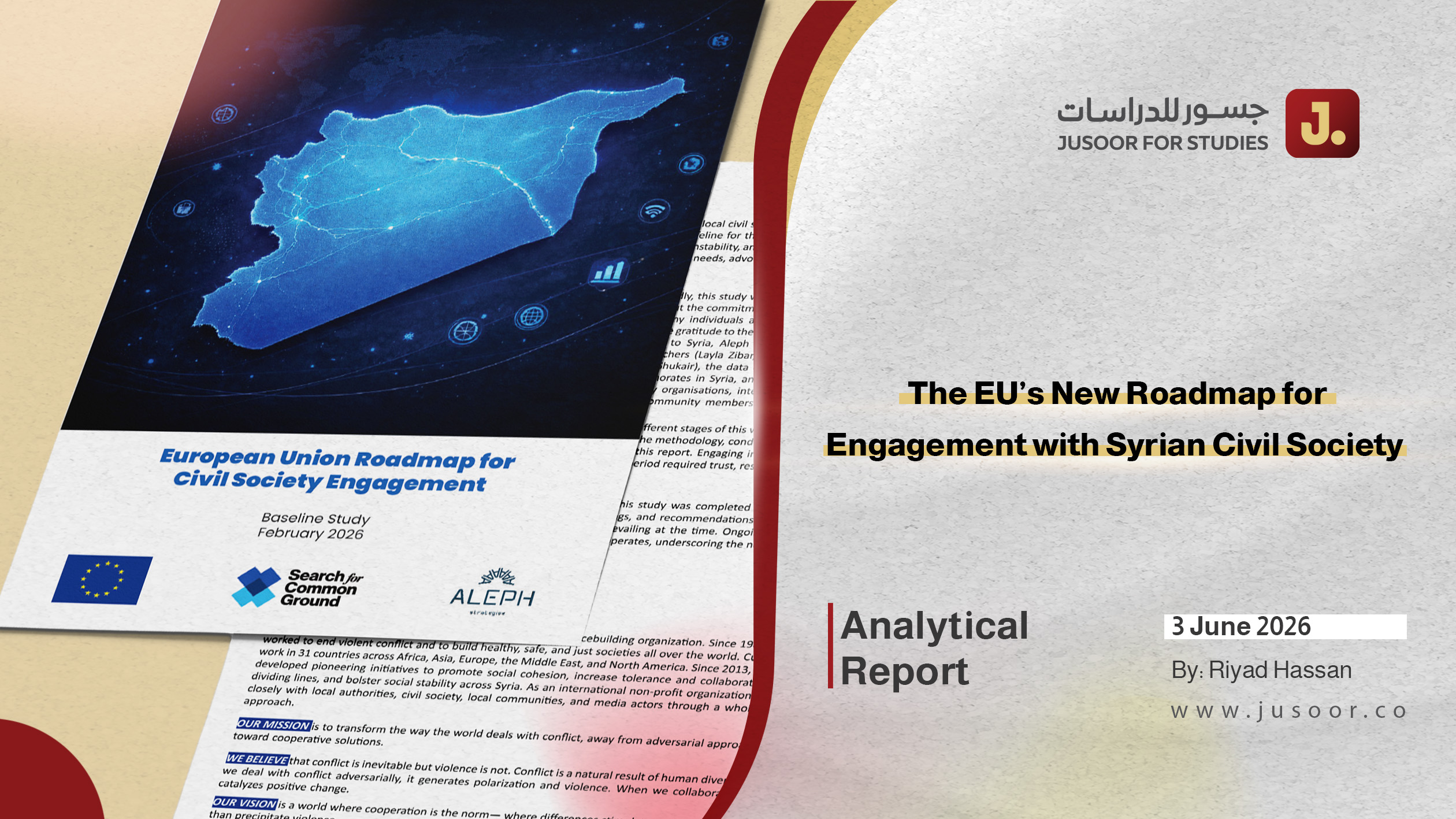
A new reality demands new priorities
A strategy that respects Syria’s sovereignty
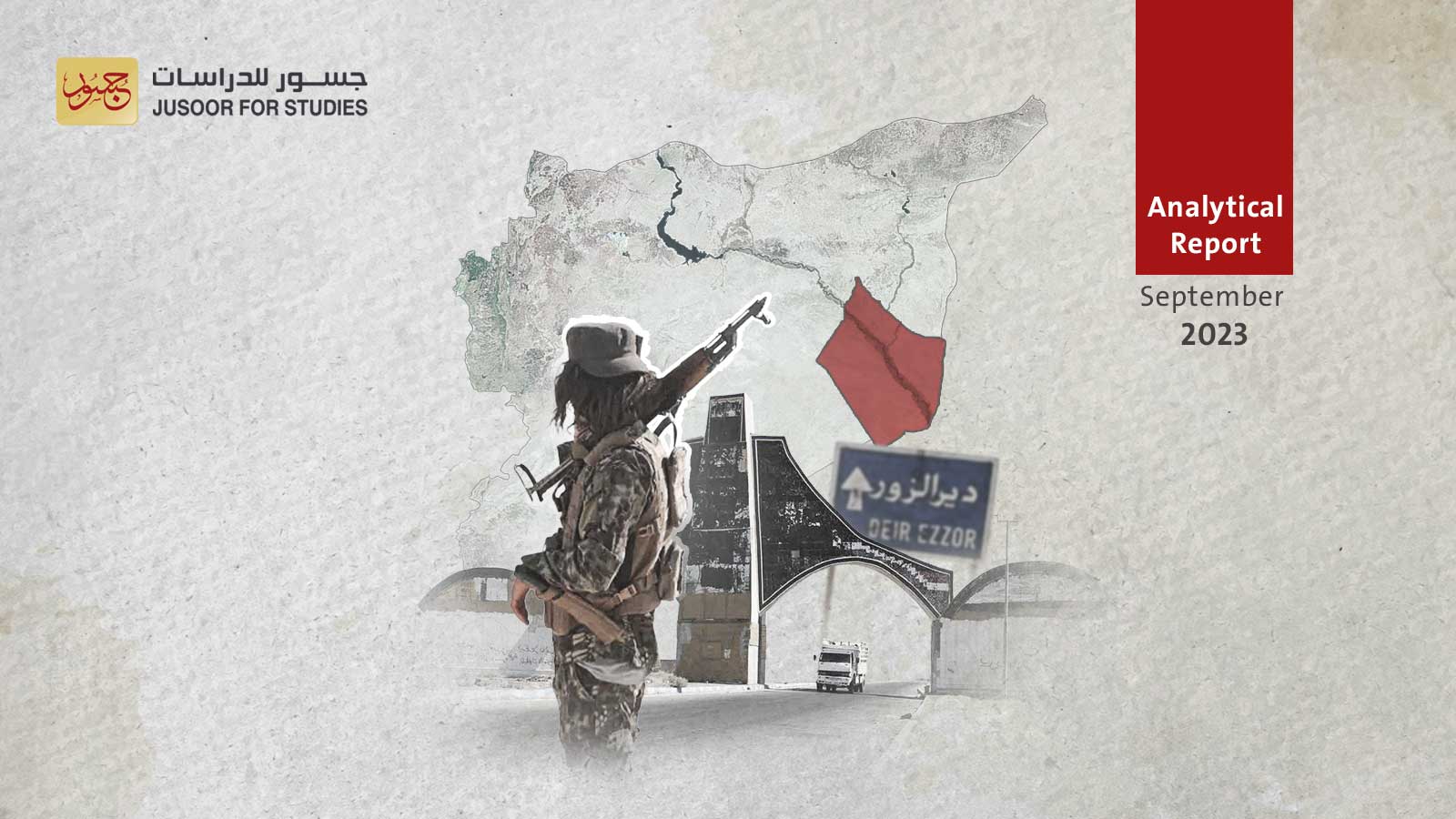
Diverse demands and motivations fueling the popular protests and Instability in Deir_Ezzor, under SDF control. However, most of them are directly or indirectly tied to the state of local governance and its mechanisms used to manage these areas.
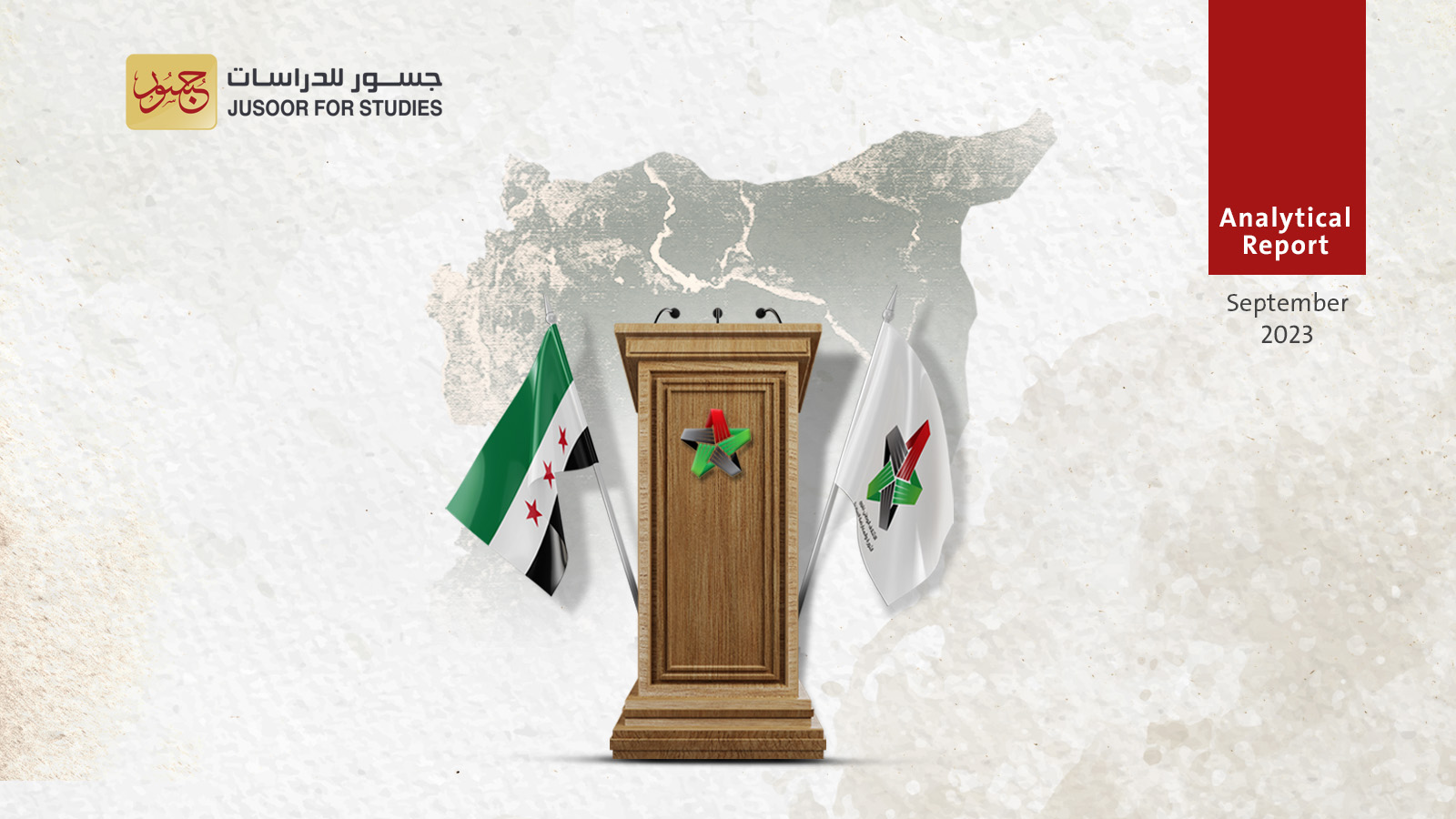
The discussion resurfaces with every electoral and political milestone within the Syrian political opposition regarding its legitimacy to represent the Syrian people.
The formation of the Fourth and Fifth Corps signifies a transition from the militarization of Syrian society pursued by the regime to the militarization based on sectarian lines.
The sustainability of early recovery projects teeters on the brink of donor burnout. However, the projects still hold the potential for growth in impact, reach, and scale, especially if the agendas of donor countries intersect harmoniously with the priorities of local players.
The paramilitary forces represent one of the armed entities established by the regime shortly after 2011. Unlike official military units, they lacked a distinct military doctrine and centralized leadership.
Since 2011, the country has been witnessing a continuous wave of illegal migration, with three major waves recorded. The first peak was in 2012, the second in 2015, and the third in 2021. During these years, approximately 7 million refugees left Syria, in addition to a similar number of internally displaced persons (IDPs) who are typically seen as a major source of refugee flow to the world.
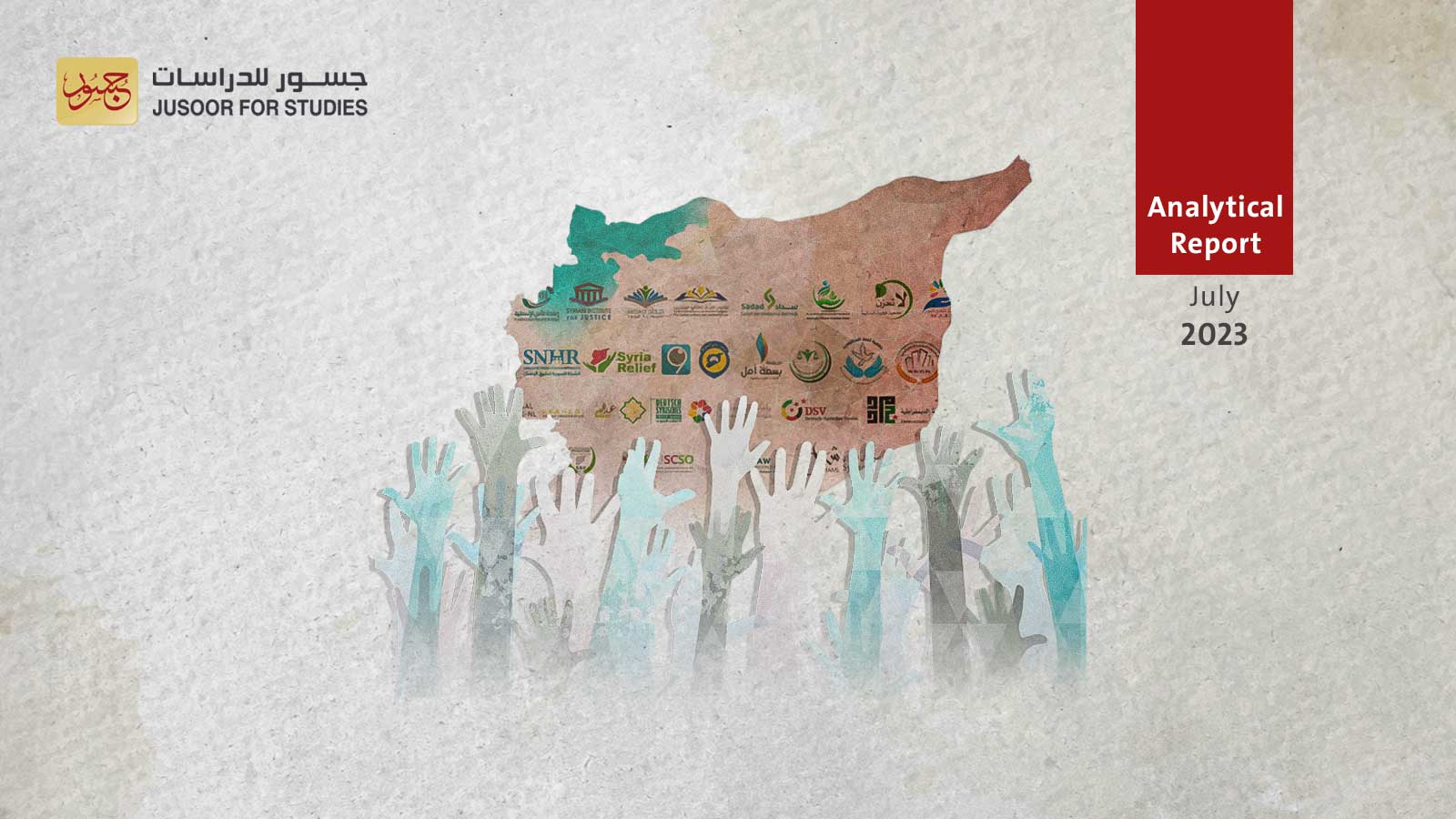
Since 2011, the authority in Syria has relatively lost its ability to intervene in societal matters, gradually restoring the presence of civil society through the emergence of entities such as unions, political bodies, community associations, media unions, humanitarian and development organizations, among others.
Despite four years of the UN Special Envoy's mission in Syria passed, it is clear that the step for step approach has not contributed to achieving progress in the political process. This is because it introduced new elements that are unrelated to the political solution, thereby complicating the prospects for implementing Resolution 2254.
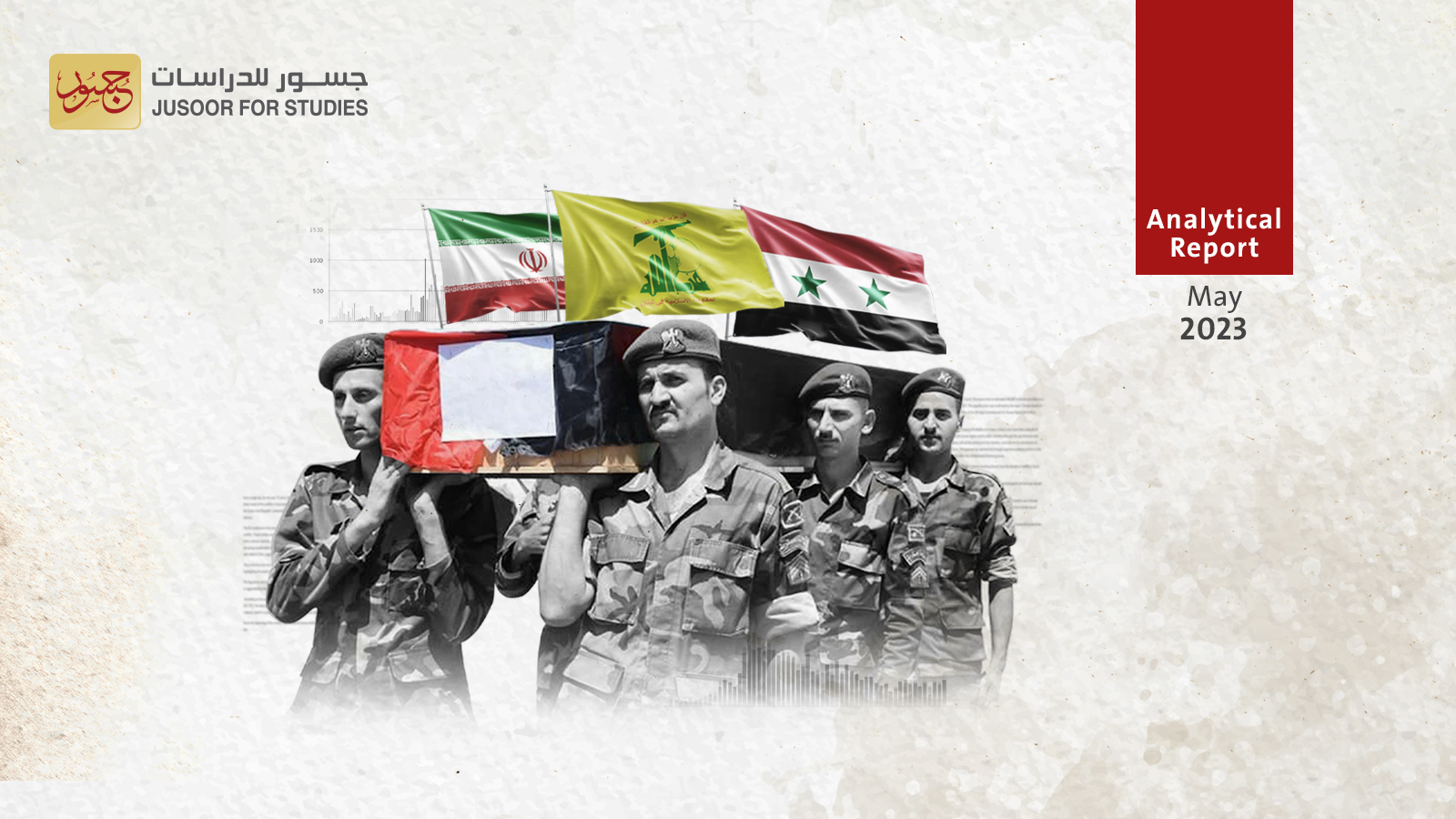
The inability to compensate for the severe shortage in manpower of the Syrian regime forces can be attributed to negative phenomena that were widespread, most notably the phenomenon of evading mandatory military service.
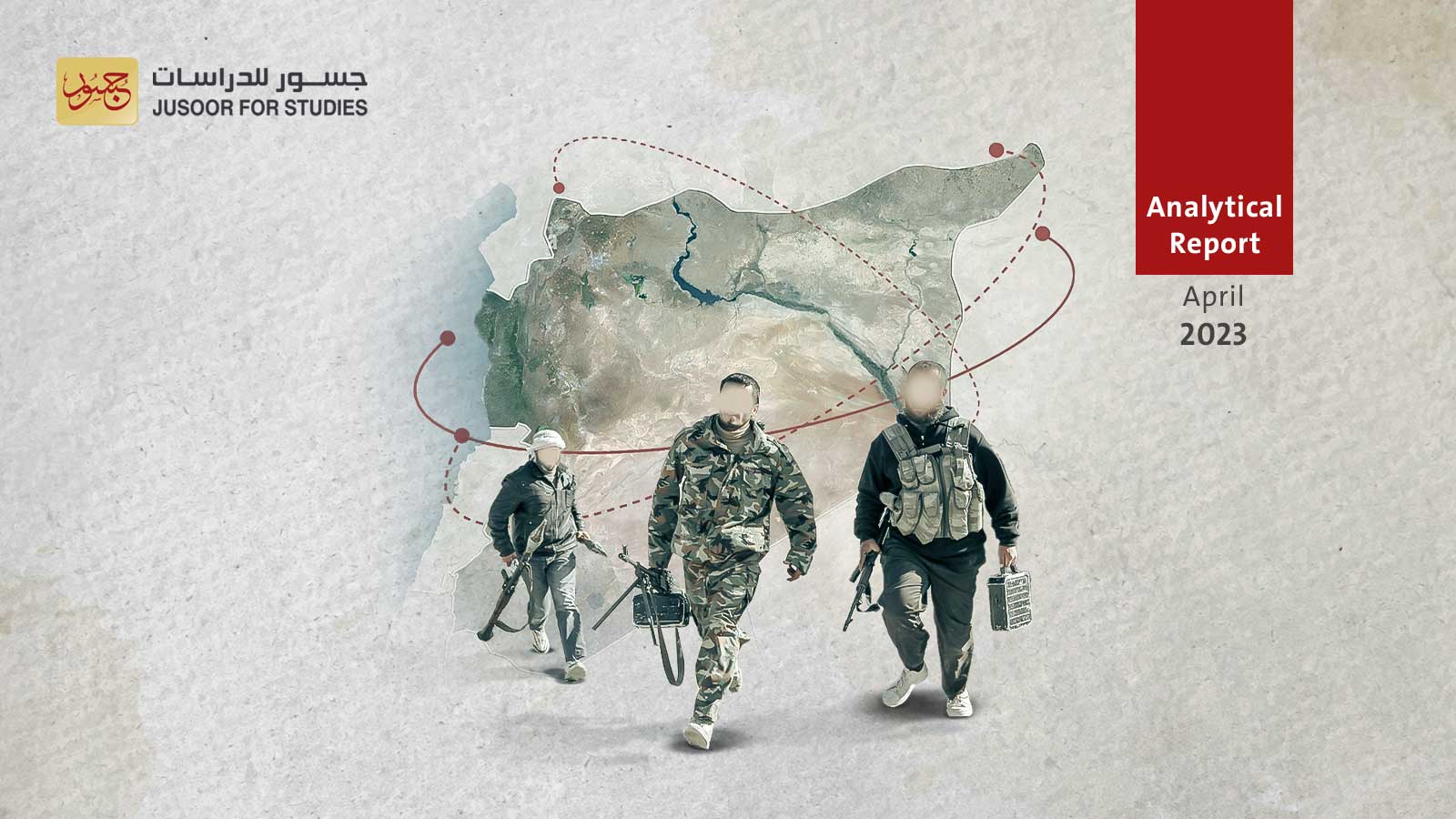
The Syrian armed opposition factions are constantly affected by the political changes related to the Syrian file, similar to what happened in July 2018, when the factions of the Southern Front disintegrated; as a result of the agreement struck by Russia, the United States, Israel and Jordan on a settlement in the region.